







Magnetic Switch Technology in Fighting Games: From Arcade Joysticks to Leverless Controllers
Fighting games have always been defined by precision. In a genre where frames matter and execution is everything, your choice of controller can significantly impact how comfortably and consistently you play.
Every generation of controllers has solved different problems:
- Arcade Joystick
- Leverless Controller
- Hall Effect Magnetic Leverless Controllers
Today, Akko hopes to contribute to the next step by applying years of experience with magnetic switches from keyboards to the FGC.

Chapter 1 — The Evolution of Fighting Game Controllers
The Arcade Stick Era
Classic arcade sticks use a mechanical joystick combined with arcade buttons. They offer high durability, a familiar tournament-standard layout, and excellent tactile feedback.
Arcade cabinets played a huge role in shaping modern fighting games, establishing the control style that many players still associate with the genre. Even today, a large number of professional players prefer sticks because of muscle memory, the satisfying feel, and the cultural connection to the arcade roots.
The Leverless Revolution
Over time, leverless controllers gained popularity. Instead of a joystick, they use digital buttons for all directional inputs. This design enables:
- Faster directional inputs
- Cleaner SOCD (Simultaneous Opposing Cardinal Directions) handling
- Better ergonomics
- Less physical movement and fatigue
Digital buttons became especially popular in the competitive scene because they allow for more consistent execution with minimal hand travel, which helps during long tournament sessions.
Chapter 2 — From Magnetic Keyboards to Leverless Controllers
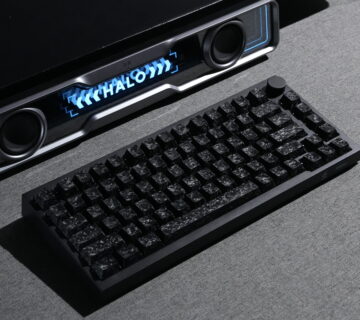
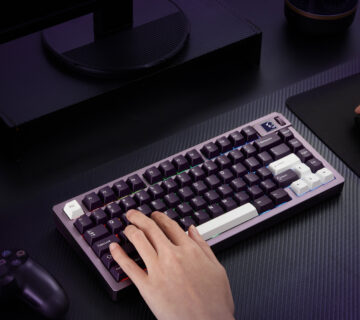
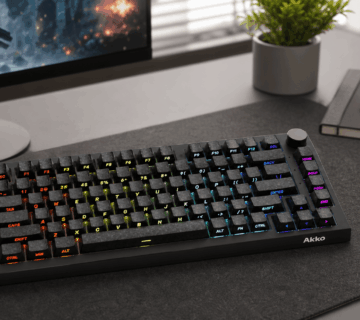
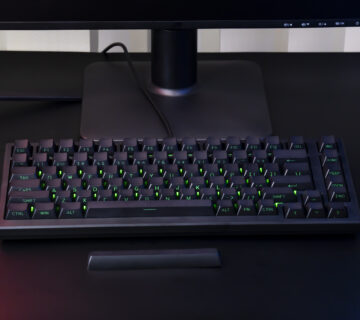
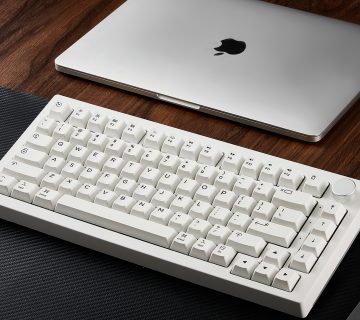
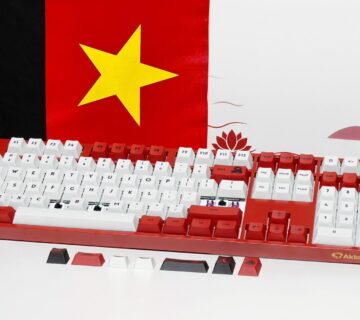
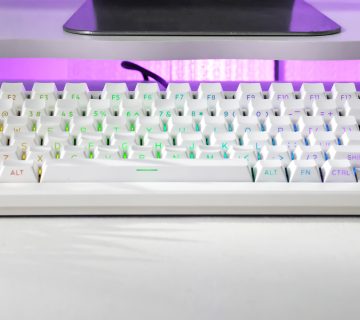
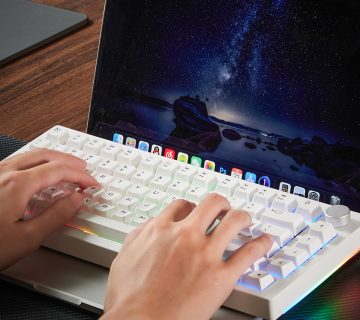
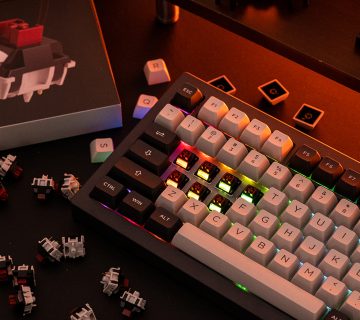
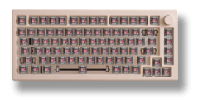
Many gamers first discovered magnetic switch technology through gaming keyboards. Akko and its sister brand MonsGeek have been exploring magnetic switch solutions, including TMR technology in keyboards, to improve customization and input control.
Hall Effect switches use magnetic fields for analog sensing. This enables useful features such as adjustable actuation points and Rapid Trigger. These capabilities became very popular in FPS games, where players benefit from customizable key response, quicker resets, and more precise movement control.
This success led to a natural question: If magnetic switches can improve precision on keyboards, why not bring similar technology to fighting games?
Chapter 3 — Why Magnetic Sensing Is the Next Step
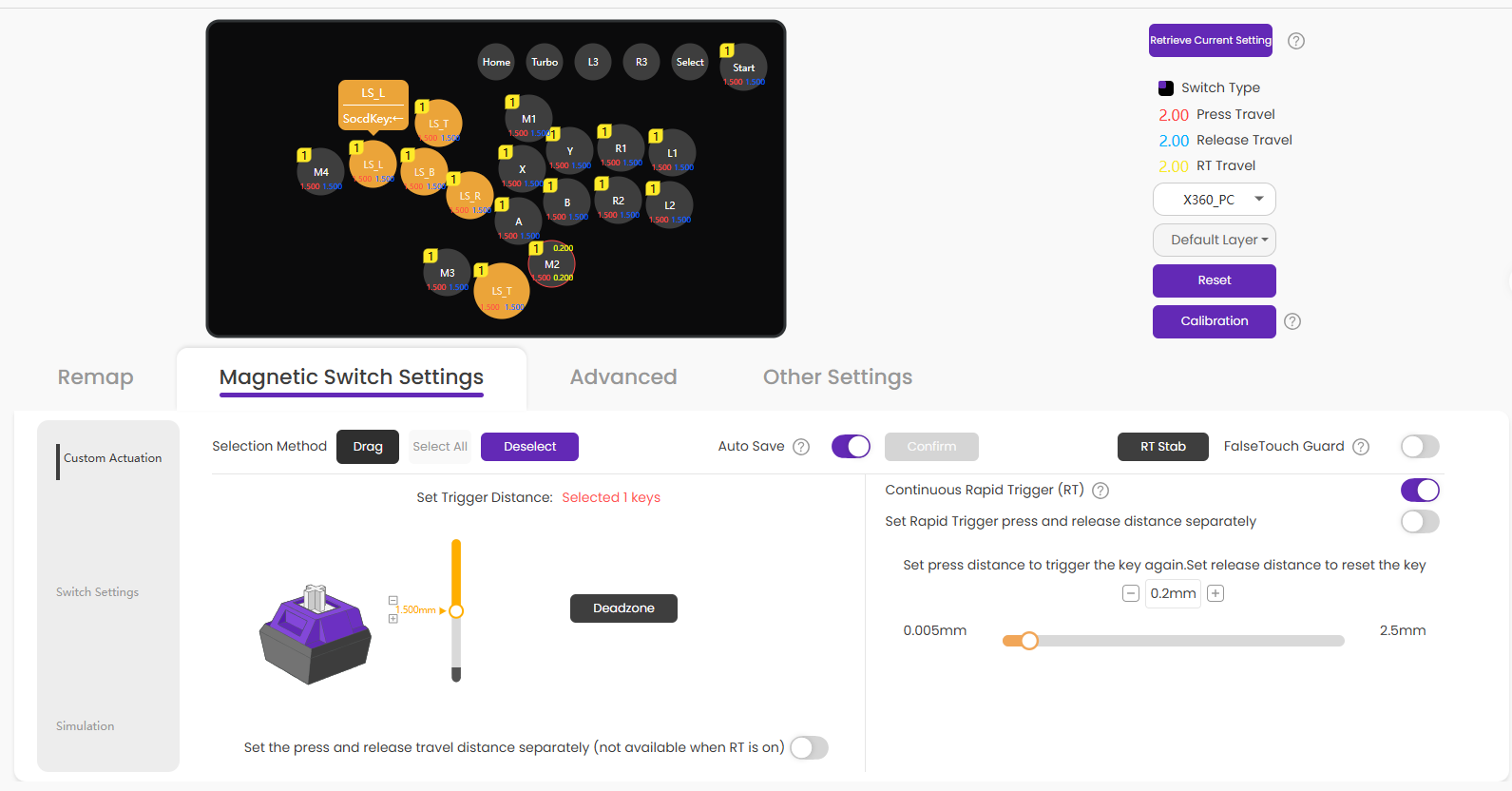
Magnetic sensing technology offers a different approach from traditional mechanical switches. By detecting input through magnetic fields, Hall Effect switches enable adjustable actuation points, Rapid Trigger, and more customizable input settings.
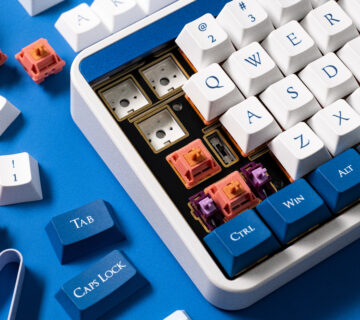
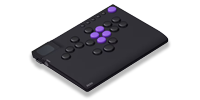
The FUNBOX combines Hall Effect magnetic switch support with a hot-swappable design, allowing players to choose between magnetic switches and traditional mechanical switches based on their preferred feel and play style.
Key advantages of magnetic switch support include:
- Highly adjustable actuation
- Rapid Trigger support
- Adjustable travel distance (0.1–2.8 mm)
- 50 KHz scan rate and 8000 Hz polling rate on PC
In fighting games, consistent and reliable inputs often matter more than pure speed alone. Hall Effect magnetic sensing helps provide stable input detection and gives players greater confidence in demanding situations such as tight combos, anti-airs, and precise defense.
Chapter 4 — One Controller, Two Switch Experiences
A controller doesn’t have to lock players into a single switch technology. Supporting both magnetic and mechanical switches requires careful consideration of PCB layout, sensor positioning, and internal structure.
In most designs, this level of flexibility is typically achieved with TMR (Tunnel Magnetoresistance) sensing technology, as the magnetic field can be detected without requiring the magnet to be positioned directly above the sensor. This allows more space for additional components, such as hot-swap sockets, within the PCB design.
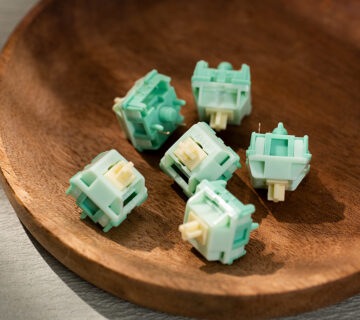
FUNBOX takes a different approach. By using a Hall Effect sensing system and eliminating RGB lighting components, FUNBOX creates additional internal space for structural optimization. This allows the controller to support both Kailh low-profile magnetic switches and Kailh 3-pin low-profile mechanical switches, while maintaining a clean and practical internal layout.
Players can choose:
• The adjustable response and Rapid Trigger customization of magnetic switches
• The familiar digital ON/OFF input feel of traditional mechanical switches
This dual-switch compatibility gives players greater freedom to customize their controller experience — whether they want to explore the precision and flexibility of magnetic switch technology or prefer the classic feel of mechanical switches.

Chapter 5 — Built for the FGC
The FUNBOX was designed with tournament needs in mind:
Tournament-ready SOCD Modes support Up Priority, Neutral, Last Input Priority, and First Input Priority, with a dedicated tournament lock mode.
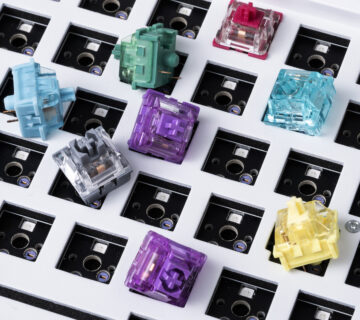
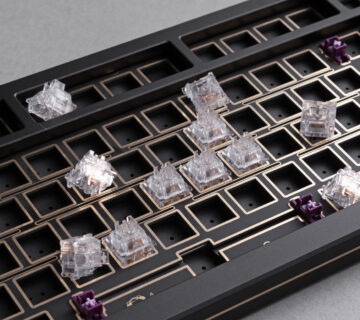
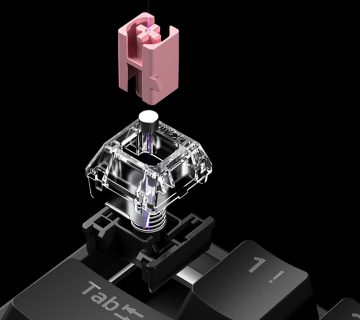
Hot-swappable Design compatible with both Kailh low-profile magnetic and 3-pin mechanical switches. Players can customize their feel easily without soldering.
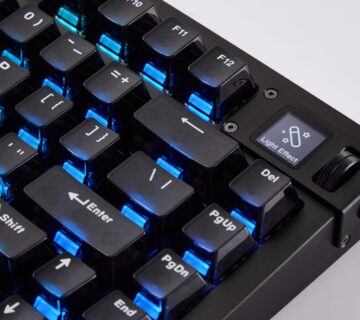
Built-in 2-inch LCD Display allows on-the-fly mode switching, SOCD adjustments, key testing, profile management, and even custom GIF/PNG/JPG idle images.

High Performance
- 50 KHz scan rate
- 8000 Hz polling rate (PC / DInput)
- USB-C connection
Compact Tournament Form Factor 305 × 225 × 28 mm, approximately 870 g — portable enough for locals and major tournaments.
Chapter 6 — Why Akko Entered the Fighting Game Community
Akko has spent years developing magnetic switch technology for keyboards. As a company primarily known in the keyboard space, entering the fighting game community is a new challenge for us.
Products like the FUN series have shown that magnetic switches can meaningfully improve consistency, speed, and customization options. The FUNBOX represents our first step into competitive fighting game hardware — applying what we’ve learned to create a controller for the FGC.
Rather than trying to completely reinvent the wheel, we combined arcade heritage, magnetic switch technology, and our keyboard customization experience into one accessible leverless controller.
Controller technology has evolved from arcade sticks to leverless layouts. The next evolution isn’t about changing how fighting games are played, but about giving players more precise control, greater customization, and more choices that match their individual playstyle.
By supporting both Hall Effect magnetic switches and traditional mechanical switches, the FUNBOX aims to bridge different generations of input devices.