




Magnetic vs Mechanical Switches: What Akko 5075 TMR Buyers Should Know
Mechanical keyboards and magnetic keyboards are often discussed like two separate worlds. Mechanical switches are known for sound, feel, and switch variety. Magnetic switches are known for adjustable actuation, rapid reset, and gaming performance.
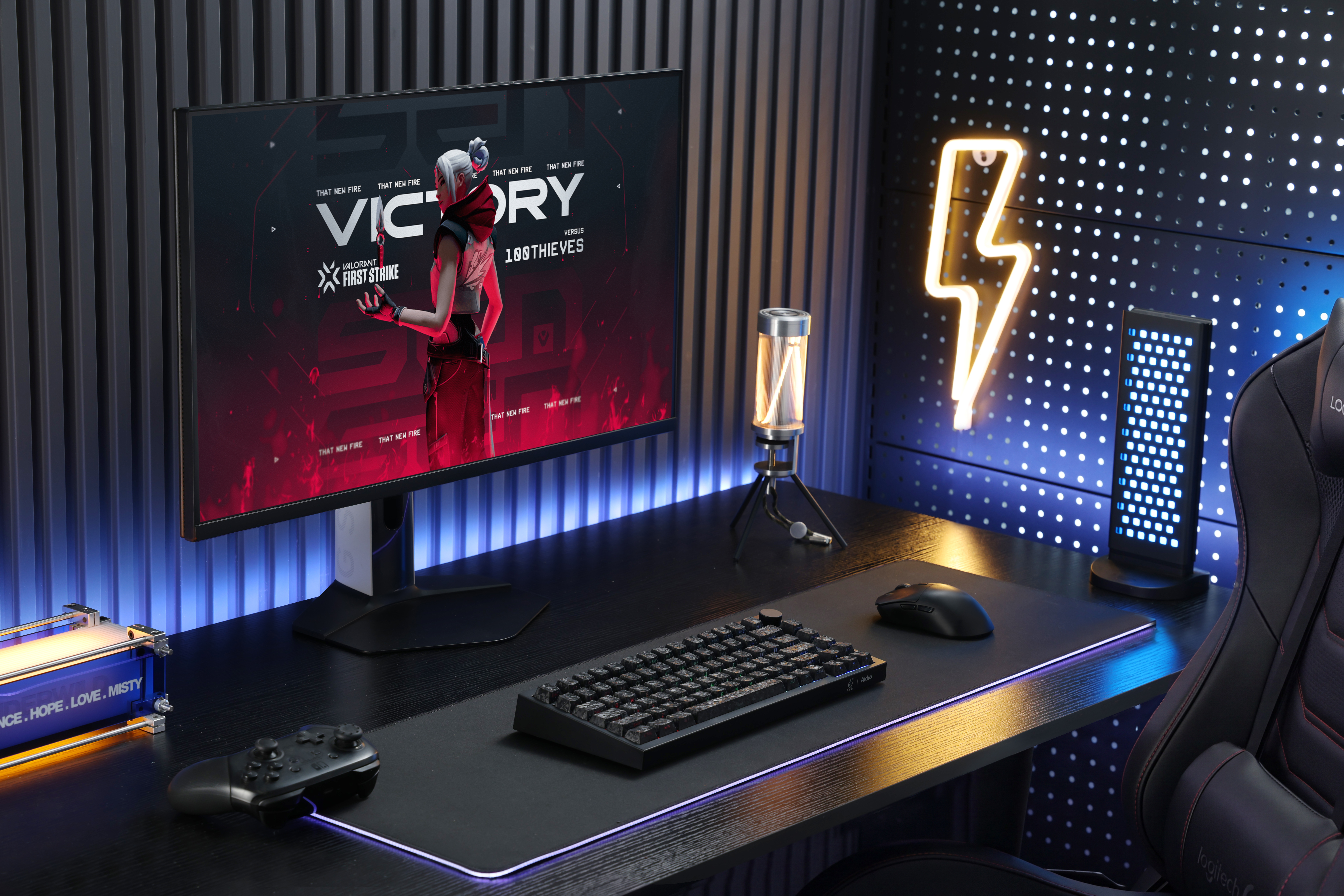
But newer keyboards are starting to blur that line. Akko 5075 V5 TMR is a good example because it supports both magnetic switches and 5-pin MX mechanical switches. That makes the buying question less about choosing one side forever and more about how much flexibility you want from one keyboard.
Why Switch Flexibility Matters
Many users no longer buy a keyboard for just one task. The same keyboard might be used for FPS games, school, work, content creation, and casual browsing. That creates a problem: the best switch for gaming is not always the switch someone wants to type on all day.
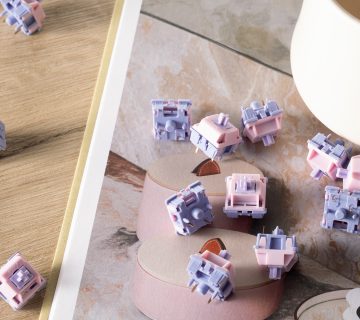
Magnetic switches are attractive for gaming because they can support adjustable actuation and rapid reset. Mechanical switches remain popular because they offer a wide range of familiar feels, including linear, tactile, and clicky options.
A keyboard that can support both gives users more room to experiment without replacing the full board.
Mechanical Switches vs Magnetic Switches
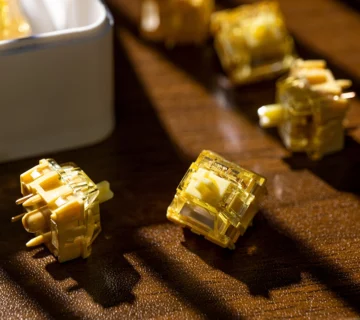
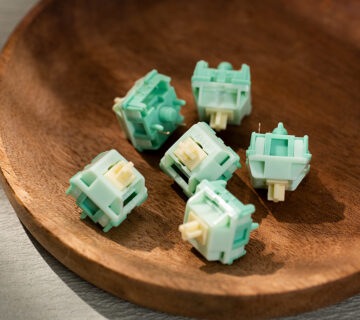
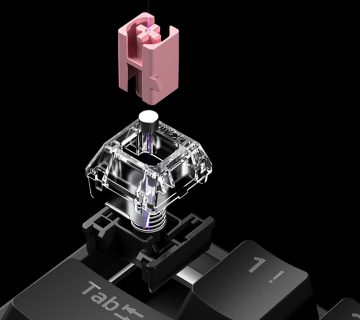
Mechanical switches register input through a physical switch mechanism. Depending on the switch type, they can feel smooth, tactile, heavy, light, quiet, or clicky. That variety is one of the biggest reasons mechanical keyboards became popular.
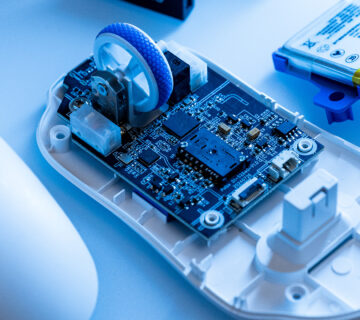
Magnetic switches work differently. They use magnetic sensing to detect key movement, which allows software-controlled features such as adjustable actuation. Instead of being locked to one fixed actuation point, users can tune how the key responds.
Neither option is automatically better for everyone. A linear mechanical switch may feel excellent for typing and casual gaming. A magnetic switch may be better for players who want faster reset and more input control. The best choice depends on how the keyboard will actually be used.
Akko 5075 V5 TMR as a Real Example
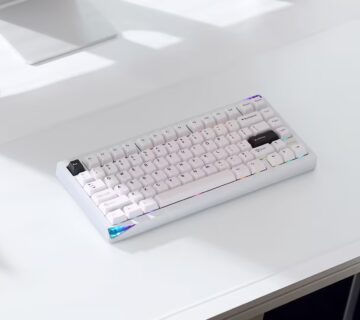
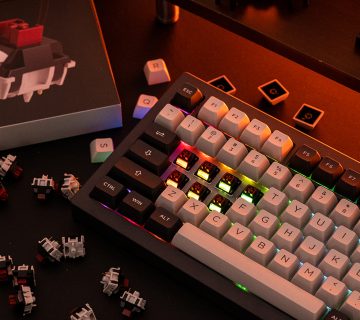
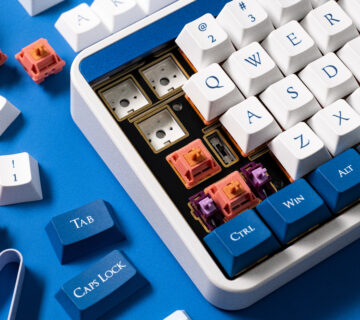
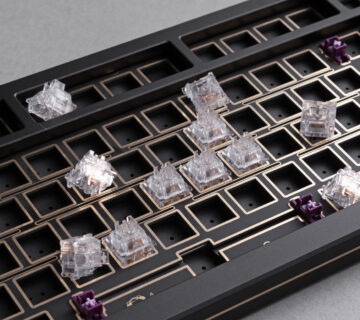
Akko 5075 V5 TMR is positioned around a simple idea: one keyboard, two switch types. Its PCB accepts both magnetic switches and 5-pin MX mechanical switches, without soldering or adapters.
That matters because many magnetic keyboards lock users into one switch ecosystem. With the 5075 V5 TMR, a user can run magnetic switches for gaming-focused setups, then still have the option to try compatible mechanical switches later.
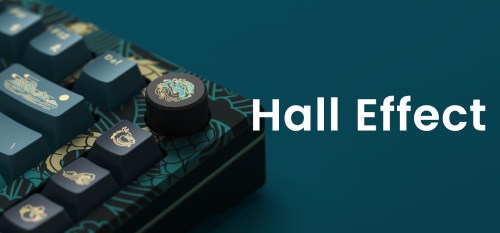
The product also introduces TMR, or Tunnel Magnetoresistance, to the Akko-branded lineup. Akko describes TMR as more accurate and more power-efficient than Hall Effect, with up to 0.005mm Rapid Trigger precision and 0.005mm actuation adjustment steps.
For gamers, those numbers are the performance hook. For keyboard enthusiasts, the hot-swap flexibility may be just as important.

Benefits for Gamers
In this context, a hybrid keyboard is not just a keyboard with wireless and wired modes. It means the switch platform itself is flexible.
For gaming, Akko 5075 V5 TMR focuses on precision and response. It supports dual 8KHz polling over USB-C and 2.4GHz, plus a 16,000Hz scan rate. It also supports rapid trigger and actuation tuning through Akko HUB or the web driver.
That makes magnetic switches useful for games where movement timing matters. A lower actuation point can make inputs feel faster. Rapid reset can help with repeated taps or directional changes. Fine adjustment lets users tune the board to their own habits instead of accepting one fixed switch behavior.
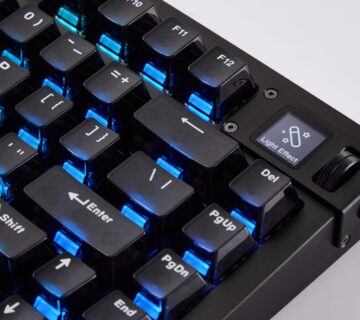
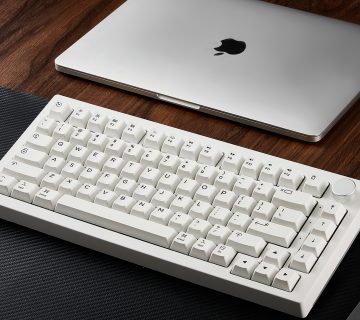
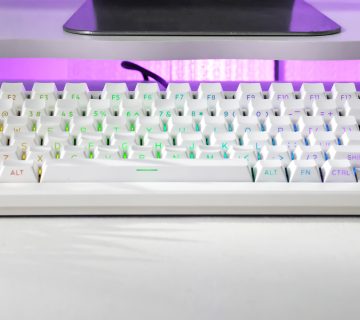
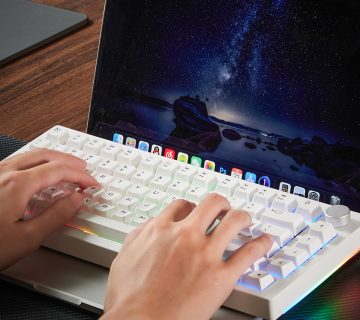
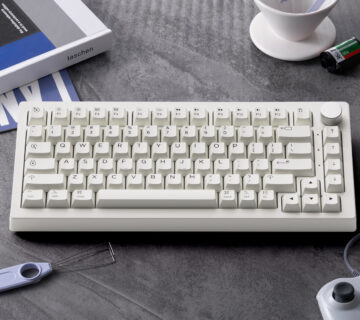
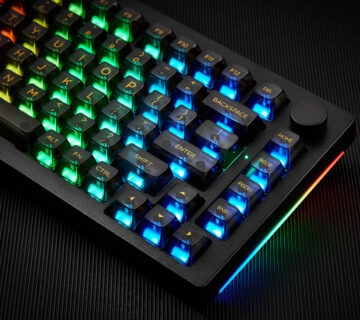
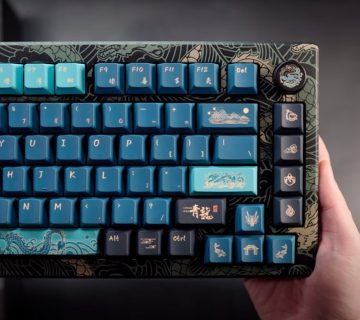
The 75% layout also helps. It keeps the keyboard compact for mouse movement while still keeping function keys, arrows, and a custom knob.
Benefits for Typists and Creators
The same keyboard still needs to feel good outside of games. That is where build and switch options matter.
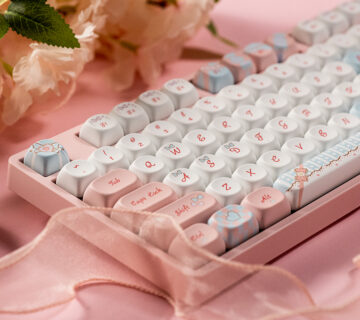
5075 V5 TMR uses a gasket mount and aluminum plate, which help give the keyboard a more cushioned and structured typing feel. It also comes with Cherry profile side-printed keycaps with a carbon fiber decorative texture, giving the board a cleaner top view.
Because it supports 5-pin MX mechanical switches, users who prefer a more traditional typing feel can experiment later. Someone might use magnetic switches for gaming first, then try a compatible mechanical linear or tactile switch for a different daily feel.
Choosing Flexibility Over Compromise
Magnetic switches are not replacing mechanical switches for every user. They are better at different things. Mechanical switches still win on variety and familiar typing feel, while magnetic switches offer more control for gaming.
Akko 5075 V5 TMR is interesting because it does not force the choice as strongly. It gives users TMR magnetic performance now, with the flexibility to explore compatible 5-pin MX mechanical switches later. For anyone who wants one keyboard that can grow with their setup, that is the real appeal.