




Side-Printed Keycaps: Readability, RGB Compatibility, and Buying Tips
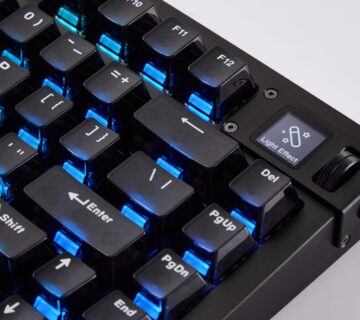
Side-printed keycaps move the legends from the top of each key to the front-facing side. It is a small design change, but it can make a keyboard look cleaner and change how the legends interact with RGB lighting.
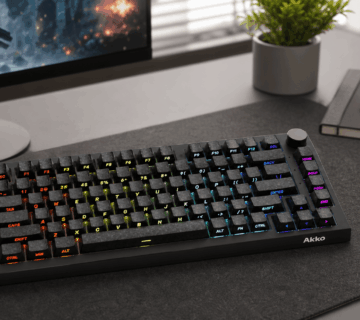
They are especially common on keyboards with south-facing LEDs, where the light source sits closer to the front of the keycap. However, side printing alone does not guarantee bright legends or even shine-through support.
Before choosing a set, it helps to understand how legend position, keycap construction, LED orientation, and keyboard layout work together.
What Are Side-Printed Keycaps?
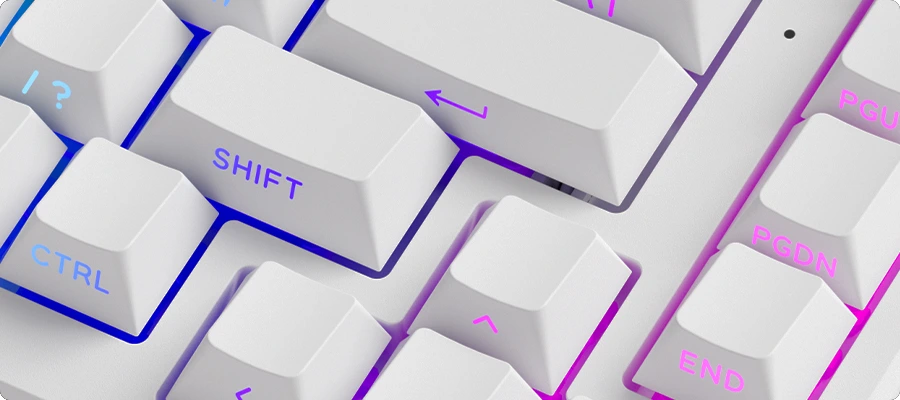
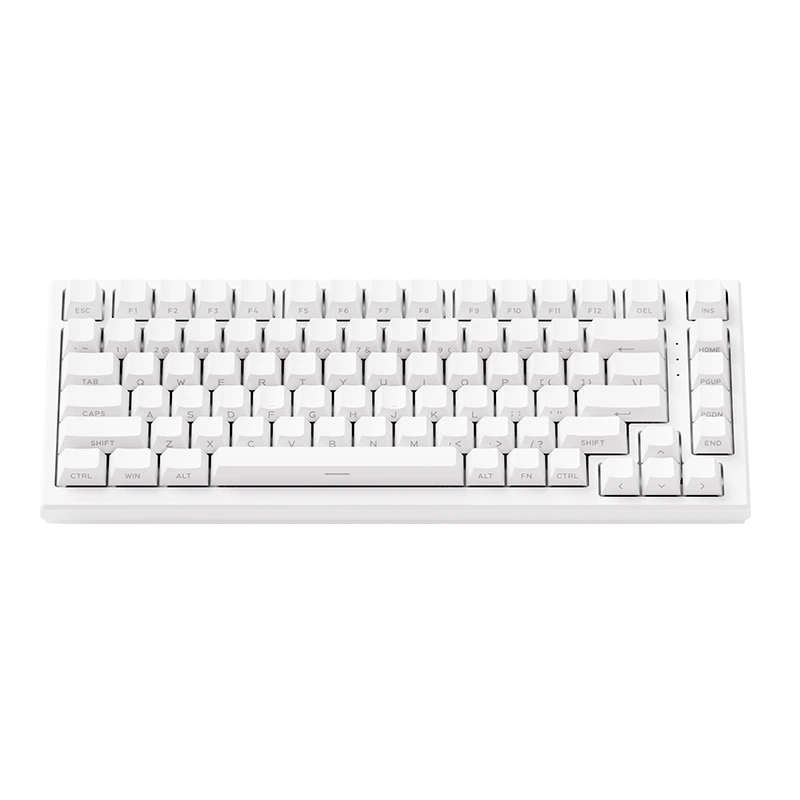
Most keycaps place letters, numbers, and symbols on the top surface. Side-printed keycaps place those legends on the front wall facing the user.
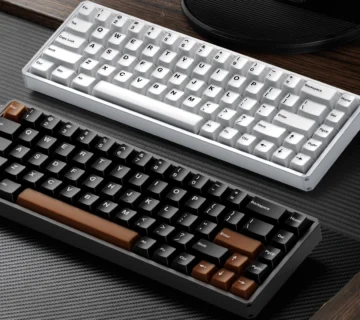
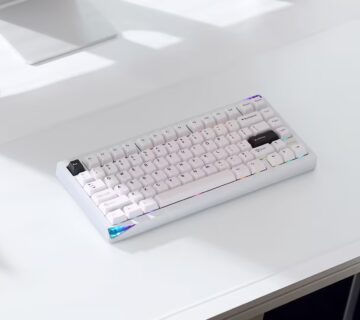
From above, the keycaps can look almost blank. This creates a cleaner and more minimal appearance without removing the legends completely. Users can still look down from a normal seated position to find a key, although visibility depends on the keyboard angle, lighting, font, and legend color.
Side-printed keycaps should not be confused with blank keycaps. Blank keycaps have no legends at all. Side-printed keycaps simply move the information to a less visible position.
Why Do Buyers Choose Side-Printed Keycaps?
The first reason is appearance. Removing legends from the top surface lets the color, texture, or pattern of the keycap become the main visual feature. This can make a keyboard look less busy while remaining practical for users who occasionally need to check a key.

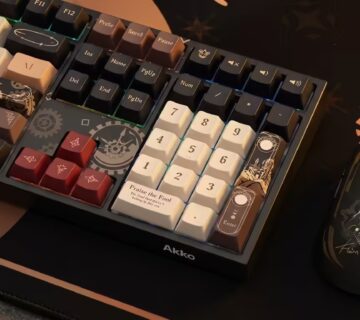
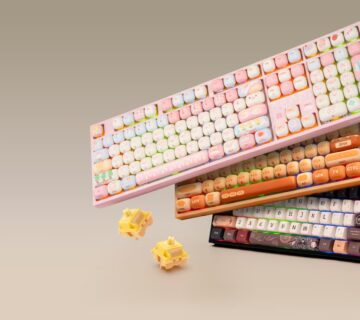
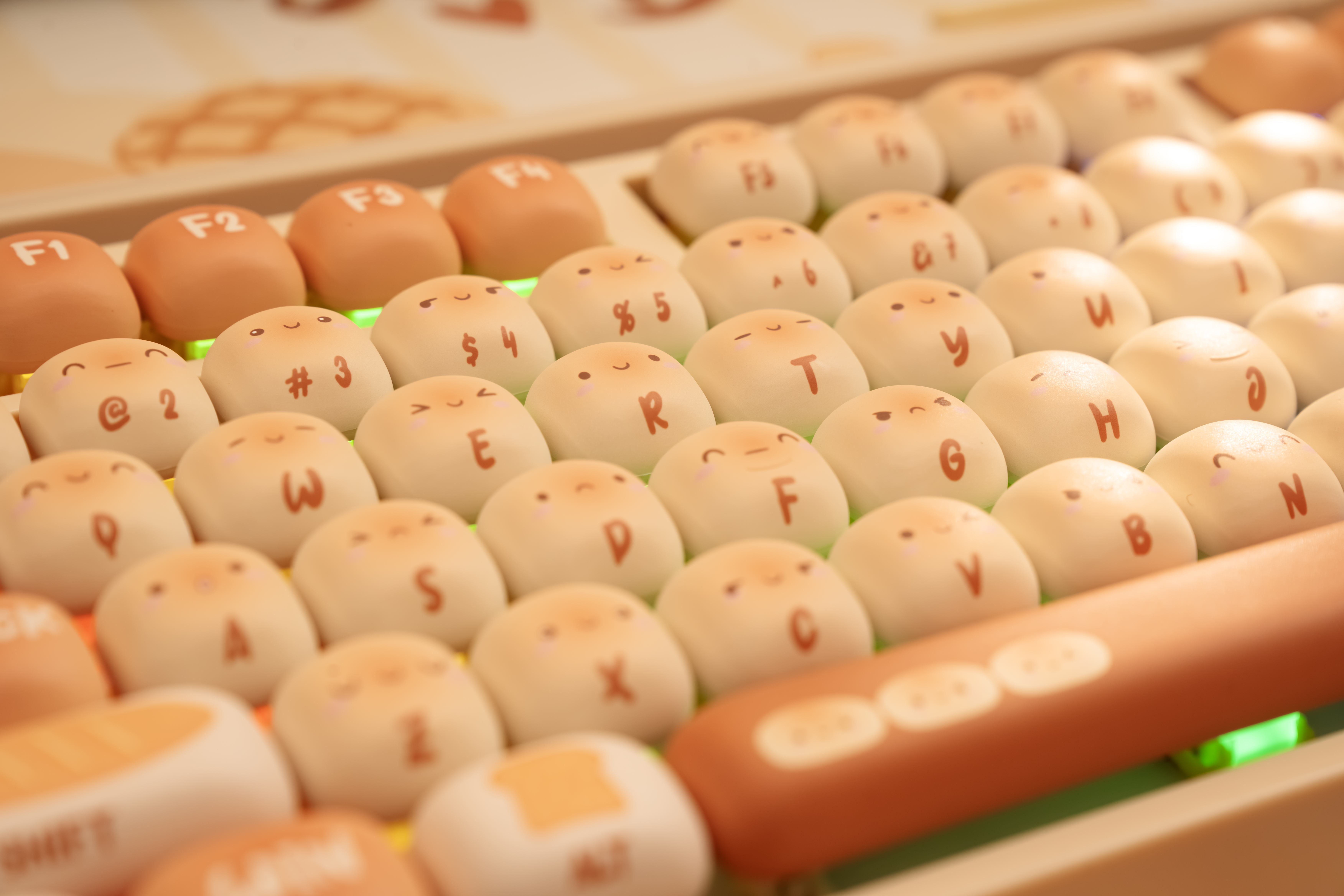
Akko’s MOG-profile Bun Wonderland keycaps show another way to use side legends. Placing functional legends on the side helps preserve the visual consistency of the rounded, themed top surfaces. In this case, the PBT keycaps use five-sided dye sublimation rather than shine-through construction, so the side placement supports the artwork instead of RGB illumination.
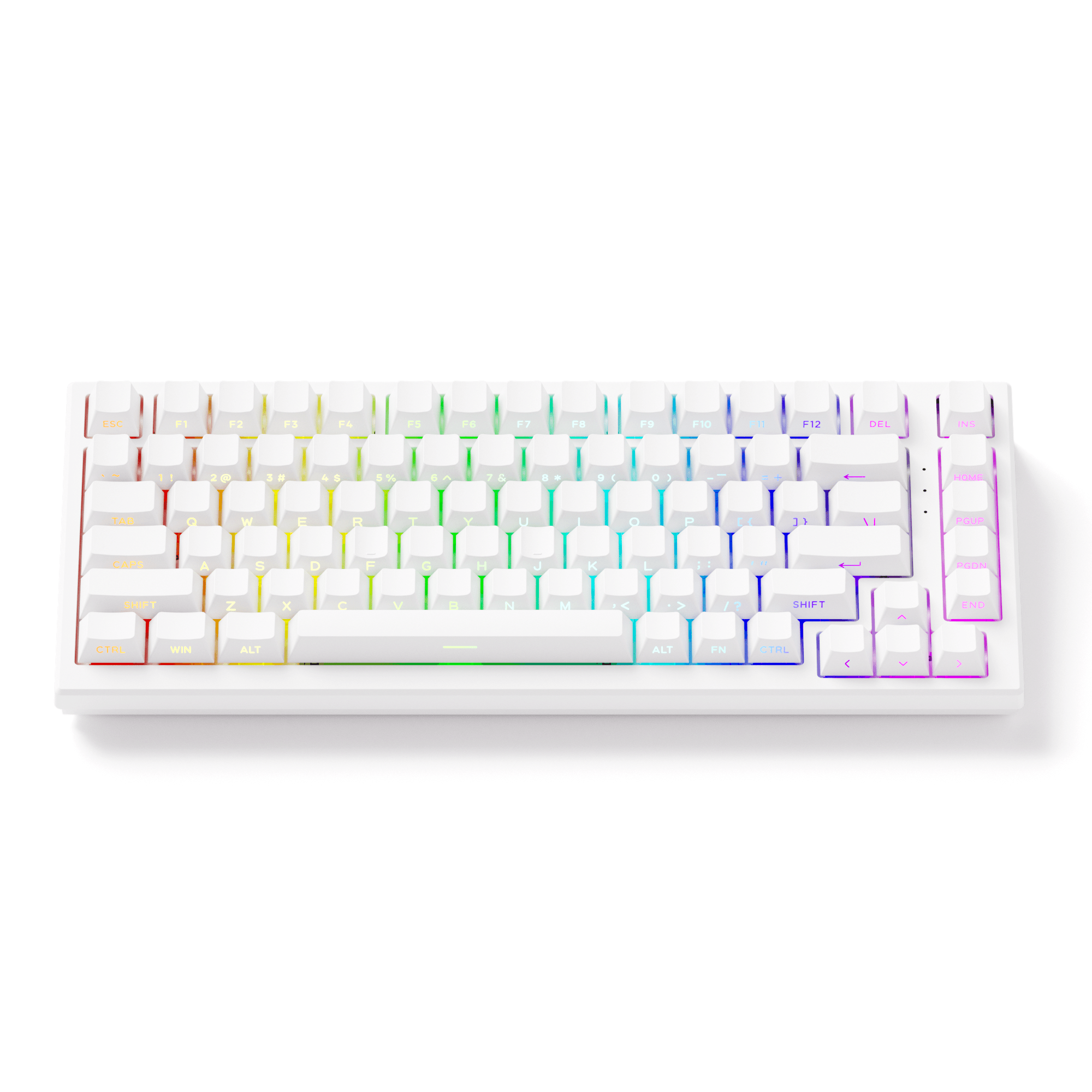
The second reason is RGB compatibility. Side-printed keycaps can be a good match for keyboards with south-facing LEDs, particularly when the legends are designed to shine through.
On a south-facing RGB PCB, the LED is positioned on the side of the switch closest to the user. A side-printed legend is located in roughly the same direction. This creates a shorter and more direct light path than a conventional top legend located toward the opposite side of the keycap.
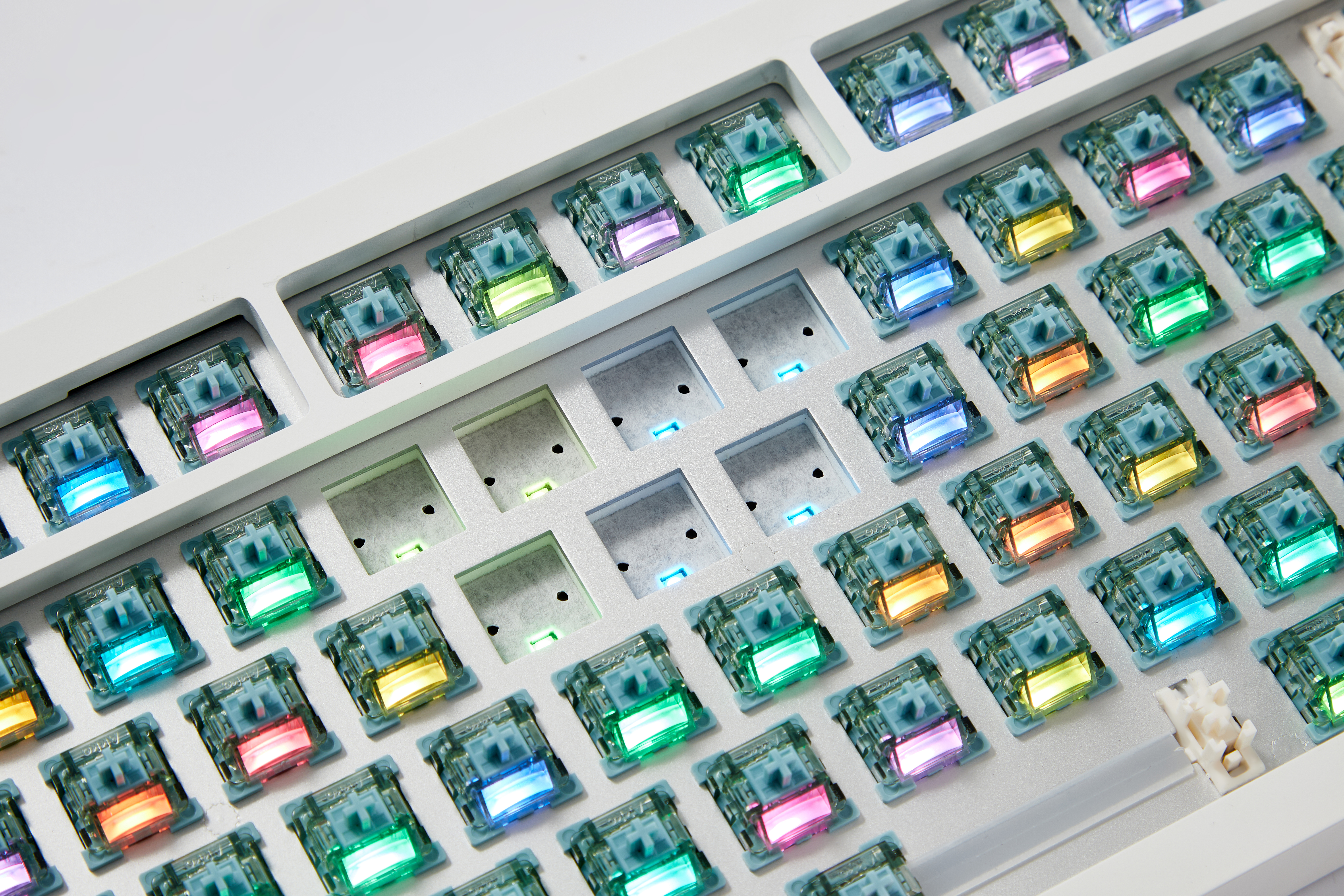
That alignment can help illuminate front-facing shine-through legends more effectively. Translucent side walls can also create a visible glow along the front of each key.
However, the result still depends on the keycap. An opaque printed legend will not become shine-through simply because the keyboard uses south-facing LEDs. Keycap material, legend construction, switch housing, LED brightness, and internal light diffusion all affect the final appearance.
How to Choose Between Side-Printed vs Top-Printed Keycaps
The best choice depends on how someone uses the keyboard.
Top-printed legends are usually easier to see when looking directly down at the keyboard. They are familiar, and they work well for users who frequently check key positions while typing.
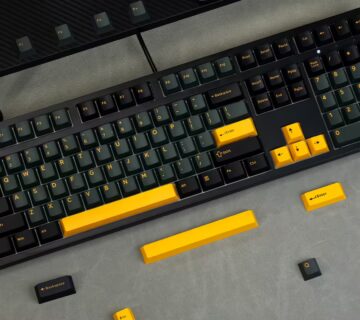
Side-printed legends create a cleaner top view. They can still be readable from a seated angle, but the front row or lower keyboard angle may make some legends easier to see than others. Dark legends on dark keycaps can also become difficult to read without lighting.
For touch typists, the difference may be mostly visual. For new typists or users who often look for secondary functions, top legends may remain more convenient.
RGB performance also varies. A shine-through side legend may work well with south-facing LEDs, while a traditional top shine-through legend may appear dimmer on the same board. But a non-shine-through side legend will behave like any other opaque print and depend on room or backlight spill for visibility.
It is also worth noting though side-printed legends are not automatically more or less durable than top-printed legends. Durability depends mainly on how the legend is made.
In double-shot construction, the legend and the surrounding keycap are formed from separate plastic components. Because the legend is part of the keycap structure, it is highly resistant to fading from normal use.
Dye-sublimated legends use heat to transfer dye into the keycap material. The legend sits below the immediate surface and is generally resistant to wear.
Silk-screen legends are applied to the surface. They allow flexible colors and placements, including side printing, but they may wear more easily over time than double-shot or dye-sublimated legends.
Shine-through is different from all three terms. It describes whether light can pass through the legend or keycap area. A keycap can be double-shot and shine-through, but double-shot construction does not always mean that the legend is translucent.
Are Side-Printed Keycaps Worth Choosing?
Side-printed keycaps can be made from PBT, ABS, PC, or blended constructions such as PC+ABS. Legend position does not require one specific material.
PBT is often chosen for its textured feel and resistance to developing a glossy surface with use. ABS can provide vivid colors and smooth molding, but its surface may become shinier over time. PC is frequently used in transparent or translucent designs when lighting is an important part of the appearance.
Material labels alone do not tell the whole story. Wall thickness, surface finish, molding quality, texture, and legend method can matter as much as the plastic name.
Claims such as oil resistance, fingerprint resistance, or carbon fiber texture should also be treated as product-specific features. They are not benefits shared by every side-printed keycap.
Side-printed keycaps are a good choice for users who want a cleaner top view, prefer a more minimal design, or use a south-facing RGB keyboard with compatible shine-through legends.
They may be less suitable for users who need highly visible top legends, frequently look for secondary functions, or use a keyboard without enough front-facing light.
The main buying lesson is simple: side-printed, shine-through, and RGB-friendly are not interchangeable terms. Check the legend method, keycap material, layout coverage, and LED orientation separately.
When those elements are properly matched, side-printed keycaps can combine a clean appearance with practical readability and well-positioned RGB lighting.