






TMR vs Hall Effect Keyboards: What TMR Brings to Magnetic Gaming
Magnetic keyboards are no longer a niche upgrade for competitive players. More users are now comparing sensor types, actuation precision, wireless performance, and whether a gaming keyboard can still feel good for everyday typing.
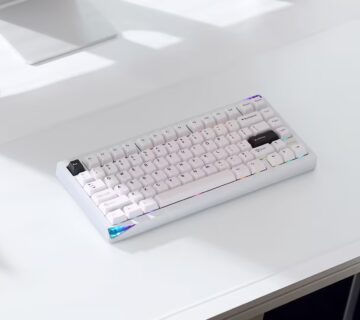
For a long time, Hall Effect keyboards were the main reference point for magnetic switch technology. Now TMR, or Tunnel Magnetoresistance, is starting to enter the conversation. Akko’s sister brand MONSGEEK has already introduced TMR through M1 V5 TMR, and Akko 5075 V5 TMR brings this technology into the Akko-branded keyboard lineup.
So what is the real difference between TMR and Hall Effect, and why does it matter?
Why Magnetic Keyboards Are Getting More Attention
Traditional mechanical switches actuate at a fixed point. You press the key, the switch reaches its actuation point, and the input is registered. That works well for typing, but gaming users often want more control.
Magnetic keyboards change that by using sensors to read key movement. This allows features such as adjustable actuation, rapid reset, and more precise input tuning. For FPS players, rhythm game players, and anyone who wants a keyboard that can be tuned by software, that flexibility is the main appeal.
A Hall Effect keyboard uses magnetic sensing to detect key movement. Instead of relying on metal contacts inside the switch, the keyboard reads changes in a magnetic field.
This design helps reduce physical contact wear and makes adjustable actuation possible. It is one of the reasons Hall Effect keyboards became popular in gaming setups: they can feel fast, consistent, and highly customizable.
Hall Effect is still a strong technology. The point is not that it suddenly became outdated. The point is that TMR gives keyboard makers another way to sense magnetic movement, and that can create new advantages.
What Is a TMR Keyboard?
TMR stands for Tunnel Magnetoresistance. In keyboard use, it is another type of magnetic sensing technology. Akko describes the TMR sensors in the 5075 V5 TMR as more accurate and more power-efficient than Hall Effect sensors.
For users, the most important idea is simple: TMR is built to read very small changes in key movement with high precision. That makes it useful for magnetic keyboards where actuation depth, reset behavior, and consistency all matter.
TMR vs Hall Effect: Key Differences
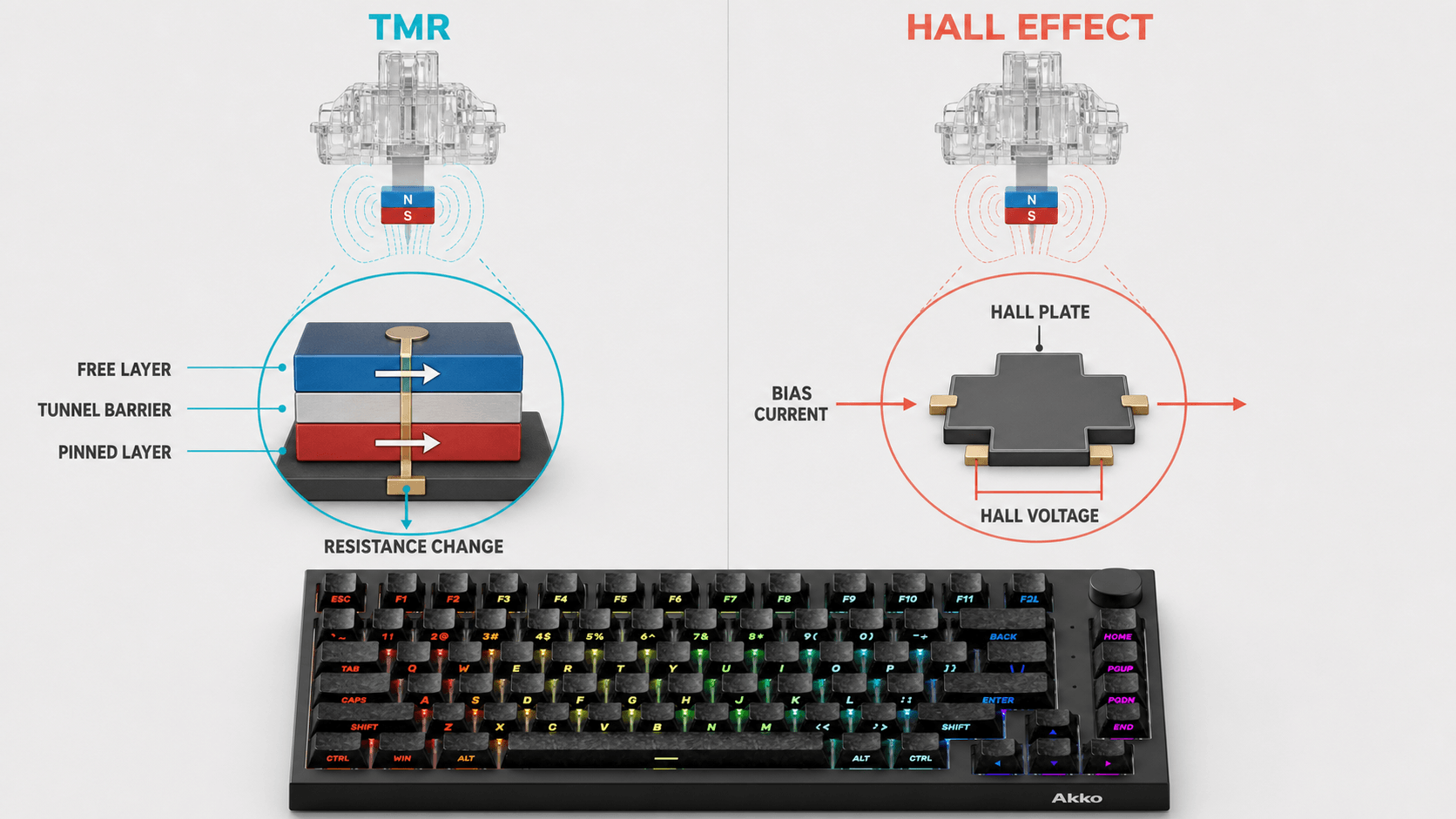
Both TMR and Hall Effect keyboards use magnetic sensing, but they do not read magnetic movement in exactly the same way.
Hall Effect sensors are widely used and proven. They are good for adjustable actuation and contactless input. TMR sensors are positioned as a more precise and more power-efficient option, especially when a keyboard is trying to combine gaming performance with wireless battery life.
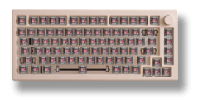
TMR also offers a practical PCB-layout advantage. Because a TMR sensor does not need to occupy the exact centerline directly beneath the switch magnet, designers have more freedom to place the sensor beside the switch footprint. This can leave the central area available for a conventional hot-swap socket, allowing one keyboard to support both magnetic switches and 5-pin MX mechanical switches. This is the approach used by Akko 5075 V5 TMR.
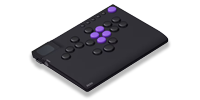
Hall Effect designs face a tighter placement tradeoff. In a typical Hall Effect keyboard, the sensor sits directly beneath the switch magnet, close to the same PCB area needed by a mechanical hot-swap socket and per-key RGB LED. A hybrid implementation is still possible if another component gives up that space; Akko’s FUNBOX leverless arcade controller uses an implementation without per-key lighting to accommodate mechanical-switch compatibility. Because RGB is now expected on most magnetic keyboards, achieving the same dual-switch support with Hall Effect is much harder without a lighting or PCB-layout compromise.
That does not mean every user will instantly feel a dramatic difference. If you mostly type documents, layout, switch feel, keycaps, and sound may matter more. But if you tune your keyboard for games, small actuation changes can be meaningful.
Does TMR Matter for Everyday Typing?
For everyday typing, TMR is less about raw speed and more about flexibility. It can deliver precise magnetic sensing for gaming while also making it easier to build a keyboard that accepts conventional mechanical switches.
This is where 5075 V5 TMR stays practical. That dual-switch support gives the keyboard a clearer everyday advantage. Users can keep magnetic switches for adjustable actuation and Rapid Trigger, then switch to compatible mechanical switches when typing feel, sound, or a wider choice of linear, tactile, and silent options matters more.
It is a strong fit for FPS players who care about fast reset and fine actuation control. It is also useful for keyboard enthusiasts who want to try TMR technology while keeping the option to use familiar mechanical switches for work, typing, or sound preferences.
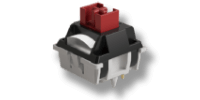
Users can choose Kailh Aurora Magnetic or Akko Prism Magnetic switches for TMR sensing, while 5-pin MX hot-swap support opens the door to a much broader mechanical-switch ecosystem. This is one of the most practical advantages of the TMR implementation: the keyboard can offer magnetic performance without making mechanical-switch compatibility an afterthought.