







Why Do Magnetic Switch Keyboards Sound High-Pitched?
Magnetic switch keyboards are usually introduced through performance: adjustable actuation, Rapid Trigger, high polling rates, and precise movement detection. But after watching a few sound tests, many buyers notice something else. Some magnetic switch keyboards sound sharper, thinner, or more hollow than the mechanical keyboards they are used to.
That impression is common, but it is not a rule. A magnetic sensor does not have its own sound. The final result comes from the physical switch, the plate, the mounting system, the case, the keycaps, and the way all of those parts interact.
Understanding those factors makes it easier to judge a magnetic switch keyboard without assuming that every model will sound the same.
Is the Magnetic Sensor Responsible for the Sound?
Magnetic switches use a magnet and a sensor to detect key movement. Depending on the keyboard, that sensor may use Hall Effect or TMR technology. Unlike a conventional mechanical switch, the actuation point does not depend on two electrical contacts meeting inside the switch.
However, the switch still contains moving parts. The stem travels through the housing, the spring compresses and returns, and the stem reaches the bottom and top of its travel. Those physical events create most of the sound that the user hears.
The sensor changes how the keyboard detects a keypress. It does not directly determine whether the keyboard sounds high-pitched, deep, hollow, clean, or muted.
Why Do Many Magnetic Switch Keyboards Sound Sharper?
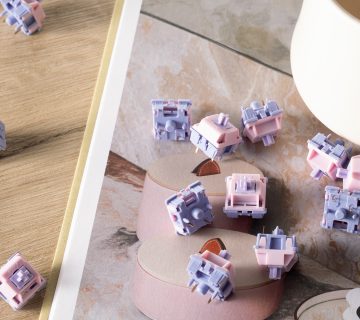
One reason is switch housing design. Some magnetic switches have a relatively open bottom or provide limited acoustic control around the bottom-out area. When the stem reaches the end of its travel, the impact can produce a thin or hollow tone instead of the more concentrated sound users may associate with a well-tuned mechanical switch.
Travel distance and bottom-out firmness also matter. A short or firm bottom-out can make the impact feel immediate and can emphasize sharper frequencies, especially when the rest of the keyboard has a rigid structure.
Plate choice is another factor. Aluminum plates are VERY common in performance-oriented magnetic switch keyboards because they provide a stable platform for the switches. In many builds, that rigidity can contribute to a firmer and brighter sound than a more flexible plate would produce.

Still, aluminum does not automatically make a keyboard sound bad, and not every magnetic switch keyboard uses an aluminum plate. The result also depends on plate thickness, mounting style, case material, internal dampening, keycaps, stabilizers, and the desk surface below the keyboard.
Starting 2026, non-aluminum plates are also becoming increasingly common in magnetic switch keyboards. PC and FR4 designs show that a keyboard can retain precise, stable magnetic input without relying on an aluminum plate, provided the PCB, mounting structure, and calibration are engineered as a complete system. This gives manufacturers more freedom to reduce higher-frequency sound and tune a softer or fuller acoustic profile. As both switch and plate designs mature, the direction is clear: magnetic switch keyboards are steadily improving in sound without giving up the precision and stability that define their performance.
This is why two keyboards using the same sensing technology can sound completely different.
Why Does a Closed-Bottom Magnetic Switch Sound Different?
Newer magnetic switches increasingly use a sealed bottom, back-cover design, or dedicated acoustic chamber. These structures change how vibration travels through the switch housing when the stem bottoms out.
A more controlled bottom housing can reduce the thin or hollow resonance found in some earlier magnetic switches. By changing the cavity and the path through which vibration travels, the housing can produce a more focused and consistent bottom-out tone.
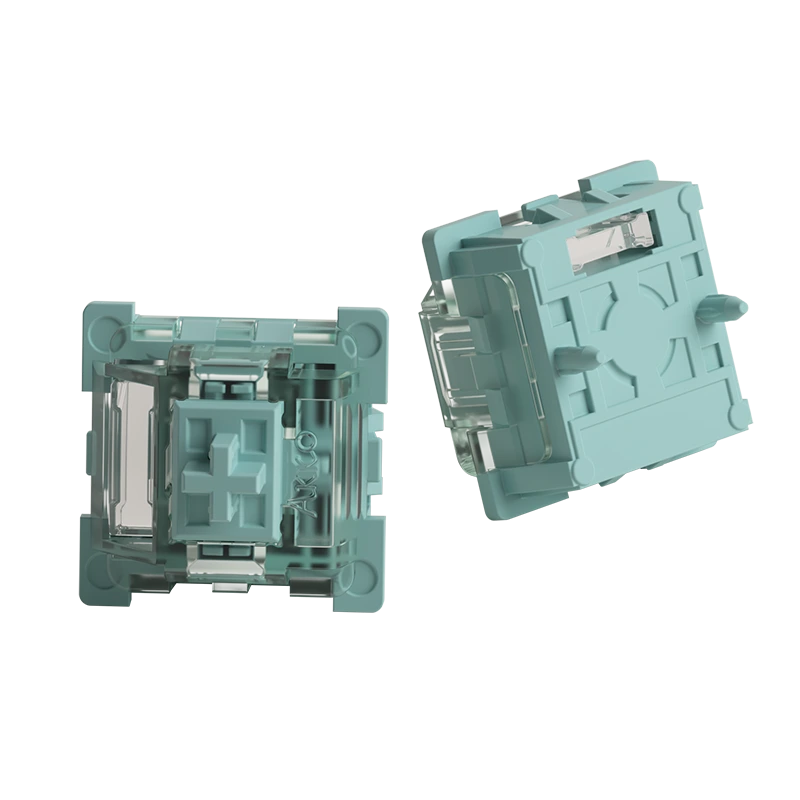
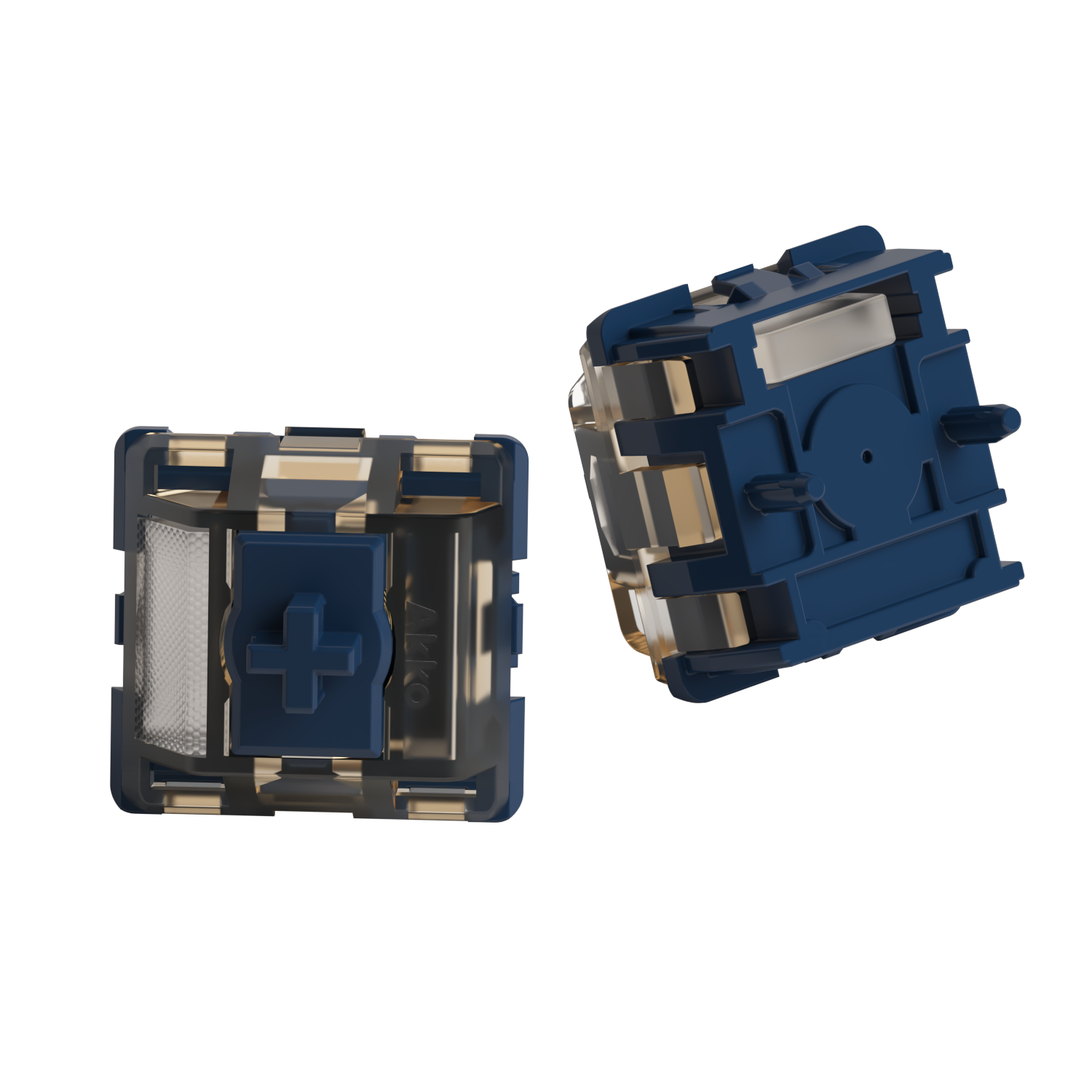
This does not mean every closed-bottom switch will sound deep or “thocky.” Stem and housing materials, total travel, spring weight, lubrication, and the keyboard itself still affect the final result. Closed-bottom construction is one acoustic tool, not a guarantee.
The larger trend is more important: magnetic switch manufacturers are now treating sound as part of the switch design rather than focusing only on sensor compatibility and gaming speed.
These changes address common complaints about early magnetic switch keyboards sounding hollow, plasticky, or inconsistent. They also reflect a broader change in the market: buyers no longer want to choose between gaming performance and a satisfying keyboard experience.